Engine Flush: Is It Worth It? Benefits, Risks, and When You Should Use One
July 13, 2026Engine oil is responsible for lubricating moving parts, reducing friction, controlling temperatures, and carrying away contaminants inside your engine. While regular oil changes remove much of the dirt and debris that accumulate over time, some deposits can remain inside the engine, especially in vehicles with irregular maintenance histories. This is where an engine flush comes into the conversation.
Many drivers have heard conflicting opinions about engine flushes. Some claim they restore engine performance and remove harmful sludge, while others argue they can loosen debris and create new problems. So, is an engine flush really worth it?
The answer depends on your vehicle’s condition, maintenance history, and the reason you’re considering one. Understanding how an engine flush works, its advantages, its limitations, and when it should—or should not—be used can help you make an informed decision.
What Is an Engine Flush?
Before deciding whether an engine flush is worthwhile, it’s important to understand what the process actually involves. An engine flush is a chemical cleaning treatment designed to dissolve sludge, varnish, carbon deposits, and other contaminants that may accumulate inside the engine over thousands of miles.
The flush solution is added to the old engine oil before an oil change. The engine is then allowed to idle for several minutes so the cleaning agents can circulate throughout the lubrication system. Afterward, the contaminated oil and flush solution are drained, the oil filter is replaced, and fresh engine oil is added.
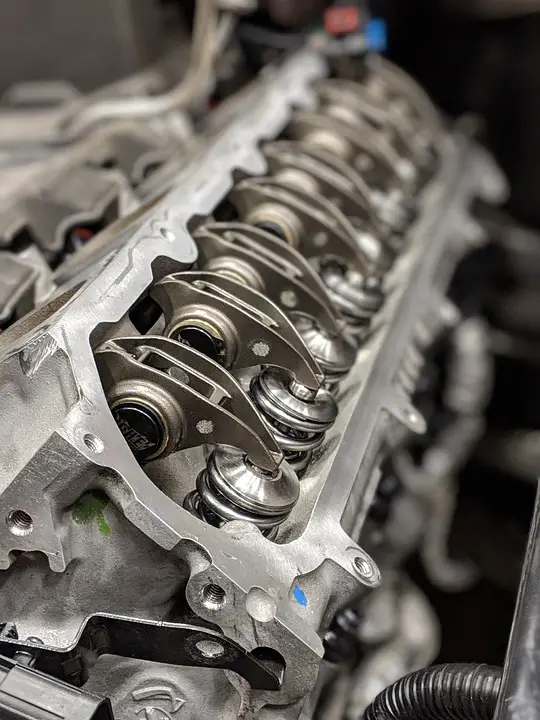
An engine flush is intended to clean areas such as:
- Oil passages
- Valve train components
- Camshafts
- Crankshaft bearings
- Oil pan
- Hydraulic lifters
- Internal engine surfaces
The goal is to remove deposits that ordinary oil changes may not fully eliminate.
How Does an Engine Flush Work?
Understanding how an engine flush works helps explain why opinions about it vary. The cleaning solution contains detergents and solvents that break down sludge and soften hardened deposits inside the engine.
As the engine idles, the cleaning agents circulate with the old oil, dissolving contaminants and suspending them in the fluid. When the oil is drained, much of this loosened material exits the engine along with the flush solution.
A typical engine flush process includes:
- Warm the engine to operating temperature.
- Add the engine flush product to the old oil.
- Let the engine idle for the time specified by the product manufacturer.
- Drain the old oil completely.
- Replace the oil filter.
- Refill the engine with fresh oil that meets the manufacturer’s specifications.
When performed correctly, the process can remove a significant amount of sludge and deposits from inside the engine.
Benefits of an Engine Flush
For certain vehicles, an engine flush can provide meaningful benefits. Engines that have experienced long oil change intervals or poor maintenance may develop sludge that restricts oil flow and reduces lubrication efficiency.
Removing these deposits can help restore proper oil circulation and improve overall engine cleanliness.
Potential benefits include:
- Removes sludge and varnish
- Cleans internal oil passages
- Improves oil circulation
- Reduces harmful deposits
- Helps hydraulic lifters operate properly
- Supports smoother engine operation
- Prepares neglected engines for regular maintenance
For engines with visible sludge buildup, an engine flush may be part of a broader maintenance strategy.
Risks of Using an Engine Flush
Although an engine flush can be beneficial in some situations, it is not appropriate for every engine. Older engines with heavy sludge accumulation or worn seals may react differently to chemical cleaning.
In some cases, large deposits can break loose and potentially restrict narrow oil passages. Older seals that have relied on sludge to fill small gaps may also begin leaking after the deposits are removed.
Potential risks include:
- Loosened debris restricting oil passages
- Oil leaks from worn seals
- Temporary increase in engine noise
- Dislodged contaminants clogging the oil pickup screen
- Problems in severely neglected engines
These risks are one reason many professional technicians recommend evaluating the engine’s condition before performing a flush.
When Is an Engine Flush Worth It?
Whether an engine flush is worth it depends largely on your vehicle’s maintenance history. Engines that have received regular oil changes using high-quality oil often remain clean enough that a flush provides little additional benefit.
However, an engine flush may be appropriate if:
- The engine has visible sludge under the oil filler cap.
- The previous owner neglected oil changes.
- The vehicle has an unknown maintenance history.
- You are restoring an older vehicle.
- A technician recommends it after inspection.
- You are correcting the effects of extended oil change intervals.
In these situations, a carefully performed engine flush may help restore engine cleanliness before establishing a regular maintenance schedule.
When You Should Avoid an Engine Flush
There are also situations where an engine flush may not be recommended. If an engine is extremely worn or has severe sludge accumulation, aggressive chemical cleaning may create more problems than it solves.
Avoid using an engine flush if:
- The engine has severe mechanical damage.
- Large oil leaks are already present.
- The manufacturer specifically advises against it.
- The engine has advanced bearing wear.
- Oil pressure problems have not been diagnosed.
- A technician recommends alternative repairs.
A professional inspection is often the safest way to determine whether an engine flush is appropriate.
Engine Flush vs Regular Oil Changes
Many drivers wonder whether an engine flush replaces routine oil changes. The answer is no. Regular oil changes remain the single most important maintenance service for protecting your engine.
High-quality modern engine oils already contain detergents that gradually clean the engine during normal operation. When oil is changed at the recommended intervals, sludge accumulation is usually minimal.
Here’s how they compare:
Regular Oil Changes
- Remove contaminated oil
- Replace depleted additives
- Maintain proper lubrication
- Protect against wear
- Required throughout the vehicle’s life
Engine Flush
- Removes stubborn sludge
- Cleans internal engine deposits
- Used occasionally when needed
- Does not replace routine maintenance
An engine flush should be viewed as a supplemental service rather than a substitute for regular oil changes.
Can an Engine Flush Improve Performance?
Some drivers notice smoother engine operation after an engine flush, particularly if sludge was affecting oil flow or hydraulic components. However, an engine flush should not be viewed as a performance upgrade.
It will not:
- Increase horsepower significantly
- Repair worn engine components
- Fix mechanical damage
- Restore lost compression
Instead, it may help restore normal operation if deposits were interfering with the engine’s lubrication system.
Common Engine Flush Myths
Because engine flushes are frequently discussed online, several misconceptions continue to circulate.
Myth 1: Every Engine Needs an Engine Flush
False. Engines that receive regular oil changes often remain clean enough that no flush is necessary.
Myth 2: An Engine Flush Repairs Engine Damage
False. An engine flush removes deposits but cannot repair worn bearings, damaged pistons, or other mechanical failures.
Myth 3: More Frequent Engine Flushes Are Better
False. Performing unnecessary engine flushes provides little benefit and may increase unnecessary chemical exposure inside the engine.
Tips for Maintaining a Clean Engine
Whether or not you choose an engine flush, proper maintenance is the best way to prevent sludge from forming in the first place.
To keep your engine clean:
- Change engine oil on schedule.
- Use manufacturer-approved engine oil.
- Replace the oil filter with every oil change.
- Check oil levels regularly.
- Repair oil leaks promptly.
- Avoid extending oil change intervals unnecessarily.
- Use quality fuel whenever possible.
- Follow your vehicle’s maintenance schedule.
These simple habits help reduce sludge buildup and maximize engine life.
Frequently Asked Questions
Is an engine flush safe?
An engine flush is generally safe when performed on a healthy engine using quality products and proper procedures. However, engines with severe sludge or mechanical wear should be inspected first.
How often should you use an engine flush?
Most vehicles never require routine engine flushes. They are typically used only when recommended by a technician or when correcting poor maintenance history.
Can an engine flush fix engine sludge?
An engine flush can remove some sludge and deposits, but severe sludge buildup may require additional cleaning or mechanical repairs.
Does every oil change need an engine flush?
No. Regular oil changes using high-quality oil are sufficient for most well-maintained vehicles.
Conclusion
An engine flush can be a useful maintenance procedure in the right circumstances, but it is not a service that every vehicle needs. For engines with a history of neglected oil changes or visible sludge buildup, a properly performed engine flush may help remove deposits, improve oil circulation, and restore cleaner internal engine conditions.
However, the best way to protect your engine is through consistent preventive maintenance. Regular oil changes, quality engine oil, and timely filter replacements remain far more important than occasional chemical cleaning treatments. Before deciding whether an engine flush is worth it, consider your vehicle’s maintenance history and consult a qualified technician if you have concerns about sludge or engine condition.