Timing Belt vs Timing Chain Maintenance: Key Differences, Service Intervals, and Costs
July 13, 2026Your vehicle’s engine relies on precise timing to operate efficiently. Every time you start the engine, the crankshaft and camshaft must rotate in perfect synchronization to ensure the intake and exhaust valves open and close at exactly the right moment. This synchronization is made possible by either a timing belt or a timing chain.
Understanding timing belt vs timing chain maintenance is essential because these components play one of the most critical roles inside your engine. Although they perform the same function, they differ significantly in construction, maintenance requirements, lifespan, and replacement costs. Ignoring maintenance on either component can lead to severe engine damage, especially in interference engines where internal parts can collide if timing fails.
Whether you’re shopping for a used vehicle, planning preventive maintenance, or simply want to understand your engine better, learning the differences between timing belts and timing chains can help you make informed maintenance decisions and avoid expensive repairs.
What Is the Difference Between a Timing Belt and a Timing Chain?
Before comparing Timing Belt vs Timing Chain Maintenance, it’s important to understand what these components actually do. Both connect the crankshaft to the camshaft, ensuring the engine’s valves and pistons move in perfect synchronization during every combustion cycle.
Although they serve the same purpose, their construction is very different.
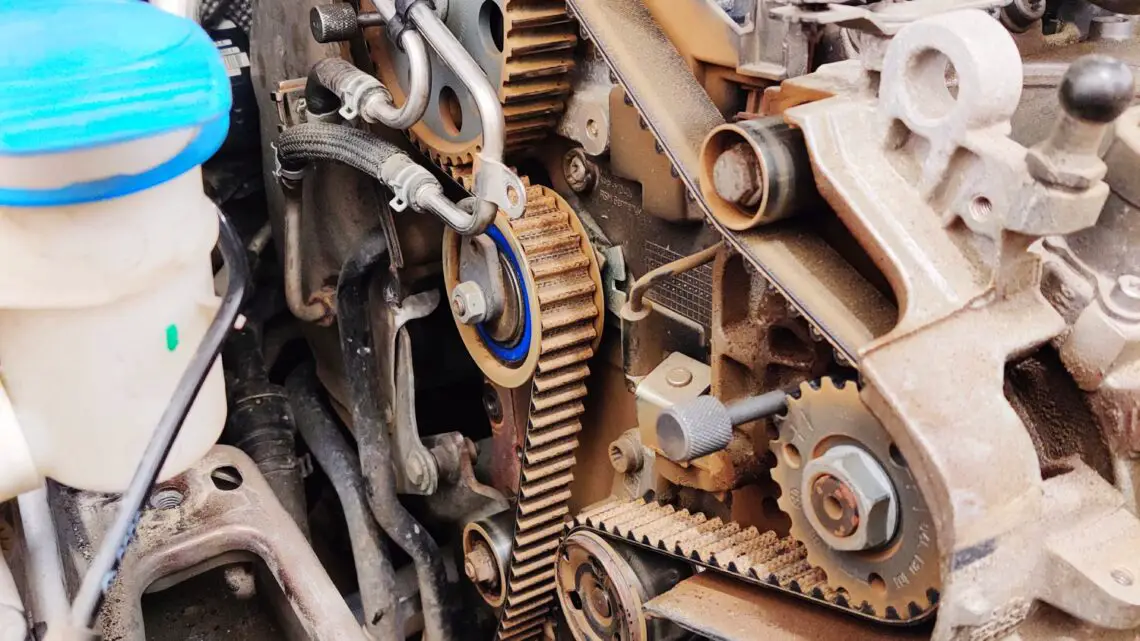
A timing belt is made from reinforced rubber with high-strength fibers that provide flexibility and quiet operation. It runs outside the engine’s lubrication system and gradually wears over time.
A timing chain, on the other hand, is made from hardened steel links similar to a motorcycle chain. It operates inside the engine and is continuously lubricated by engine oil, making it significantly more durable.
Both systems are designed to maintain accurate engine timing, but their maintenance requirements vary considerably.
Why Timing System Maintenance Is So Important
Understanding timing belt vs timing chain Maintenance is critical because failure of either component can have serious consequences. The timing system ensures that pistons and valves never occupy the same space inside the engine at the same time.
If the timing belt breaks or a worn timing chain jumps teeth, the engine timing immediately falls out of synchronization. In many modern interference engines, this can allow the pistons to strike open valves, causing bent valves, damaged pistons, and in severe cases, complete engine failure.
Proper maintenance offers several important benefits:
- Reliable engine performance
- Correct valve timing
- Improved fuel efficiency
- Lower emissions
- Reduced engine wear
- Prevention of catastrophic engine damage
- Longer engine lifespan
Replacing a timing belt or servicing a worn timing chain at the recommended interval is far less expensive than repairing a damaged engine.
Timing Belt Maintenance
Vehicles equipped with timing belts require regular preventive maintenance because rubber naturally degrades with age and mileage. Unlike many other components, a timing belt often fails without giving obvious warning signs.
Most manufacturers recommend replacing the timing belt between 60,000 and 100,000 miles, although some newer vehicles may allow longer service intervals. Time also plays a role, and many manufacturers recommend replacement every 6 to 10 years, even if the mileage is low.
During a timing belt service, technicians often replace several related components at the same time, including:
- Water pump
- Belt tensioner
- Idler pulleys
- Front engine seals
- Accessory belts (if needed)
Replacing these components together helps prevent future failures and reduces labor costs because many of the same engine parts must already be removed.
Timing Chain Maintenance
Compared with timing belts, Timing Belt vs Timing Chain Maintenance often favors timing chains because they are generally designed to last much longer. Many timing chains can operate well beyond 150,000 miles when the engine receives regular oil changes using the correct oil specification.
Unlike timing belts, timing chains usually do not have scheduled replacement intervals. Instead, their lifespan depends heavily on lubrication quality and maintenance history.
Proper timing chain maintenance includes:
- Regular engine oil changes
- Using manufacturer-approved oil viscosity
- Replacing oil filters on schedule
- Monitoring engine oil level
- Addressing oil leaks promptly
Poor oil maintenance is one of the leading causes of premature timing chain wear.
Signs Your Timing Belt Needs Replacement
Although timing belts often fail without warning, some vehicles may develop symptoms as the belt begins to deteriorate. Recognizing these warning signs can help you schedule service before complete failure occurs.
Common symptoms include:
- Engine misfires
- Difficulty starting
- Rough engine operation
- Ticking noises from the engine
- Visible cracks on the belt
- Oil contamination on the belt
- High mileage beyond the replacement interval
Even if no symptoms are present, following the manufacturer’s recommended replacement schedule remains the safest approach.
Signs Your Timing Chain Needs Attention
Because timing chains are made from steel, they rarely snap without warning. Instead, they gradually stretch or develop wear in the chain guides and tensioners.
Common signs of timing chain problems include:
- Rattling noise during startup
- Check Engine light
- Engine misfires
- Poor acceleration
- Rough idle
- Metal particles in engine oil
- Engine timing fault codes
Ignoring these symptoms can eventually allow the chain to skip teeth, leading to severe engine damage.
Timing Belt vs Timing Chain Maintenance Costs
One of the biggest differences in Timing Belt vs Timing Chain Maintenance is repair cost.
Timing belt replacement is usually scheduled preventive maintenance. Although labor can be significant, replacing the belt before failure is generally less expensive than repairing a damaged engine.
Timing chain repairs are often more expensive because the chain is located inside the engine. Accessing it usually requires removing several engine components, increasing labor time.
Typical repair costs depend on:
- Vehicle make and model
- Engine design
- Labor rates
- Replacement parts
- Whether additional components require replacement
While timing chains often last longer, repairs can become costly if wear is ignored.
Which Is Better: Timing Belt or Timing Chain?
When comparing Timing Belt vs Timing Chain Maintenance, neither system is universally better. Each offers its own advantages depending on the vehicle and the owner’s maintenance habits.
Timing Belt Advantages
- Quiet operation
- Lower manufacturing cost
- Lightweight design
- Predictable replacement interval
Timing Belt Disadvantages
- Regular replacement required
- Rubber deteriorates over time
- Failure can cause major engine damage
Timing Chain Advantages
- Longer lifespan
- No scheduled replacement on many vehicles
- Extremely durable
- Better suited for high-mileage engines
Timing Chain Disadvantages
- More expensive repairs
- Sensitive to poor oil maintenance
- Can become noisy as components wear
Choosing between them isn’t usually possible because the manufacturer determines the engine design, but understanding each system helps you maintain it properly.
Common Timing System Maintenance Mistakes
Many expensive engine failures result from neglected maintenance rather than defective parts. Avoiding these common mistakes helps maximize engine reliability.
Avoid:
- Ignoring manufacturer service intervals
- Skipping engine oil changes
- Using incorrect engine oil
- Ignoring engine warning lights
- Delaying repairs after hearing timing chain noise
- Replacing only the timing belt without related components
Preventive maintenance almost always costs less than emergency engine repairs.
Tips to Extend Timing Belt and Timing Chain Life
Proper maintenance can significantly extend the lifespan of your engine’s timing system.
Helpful practices include:
- Follow your vehicle’s maintenance schedule.
- Change engine oil on time.
- Use manufacturer-approved oil.
- Repair oil leaks promptly.
- Replace the water pump during timing belt service when recommended.
- Listen for unusual engine noises.
- Address Check Engine lights quickly.
- Keep complete maintenance records.
Consistent maintenance helps reduce wear and lowers the risk of unexpected breakdowns.
Frequently Asked Questions
How often should a timing belt be replaced?
Most manufacturers recommend replacing a timing belt every 60,000 to 100,000 miles or every 6 to 10 years, depending on the vehicle.
Do timing chains ever need replacement?
Yes. Although many timing chains last the life of the engine, worn chains, guides, or tensioners may eventually require replacement, especially on high-mileage vehicles or engines with poor maintenance histories.
What happens if a timing belt breaks?
On many interference engines, a broken timing belt can allow pistons and valves to collide, resulting in severe engine damage that may require extensive repairs or engine replacement.
Is a timing chain better than a timing belt?
Timing chains generally last longer and require less scheduled maintenance, while timing belts operate more quietly and often cost less to replace. Both systems are reliable when properly maintained.
Conclusion
Understanding Timing belt vs timing chain maintenance is essential for protecting one of the most important systems in your vehicle’s engine. Although both components perform the same critical function, they have different maintenance requirements, service intervals, and long-term costs.
By following your manufacturer’s maintenance schedule, changing engine oil regularly, and paying attention to early warning signs, you can help prevent unexpected failures and extend the life of your engine. Whether your vehicle uses a timing belt or a timing chain, proactive maintenance is far less expensive than repairing the damage caused by a timing system failure.