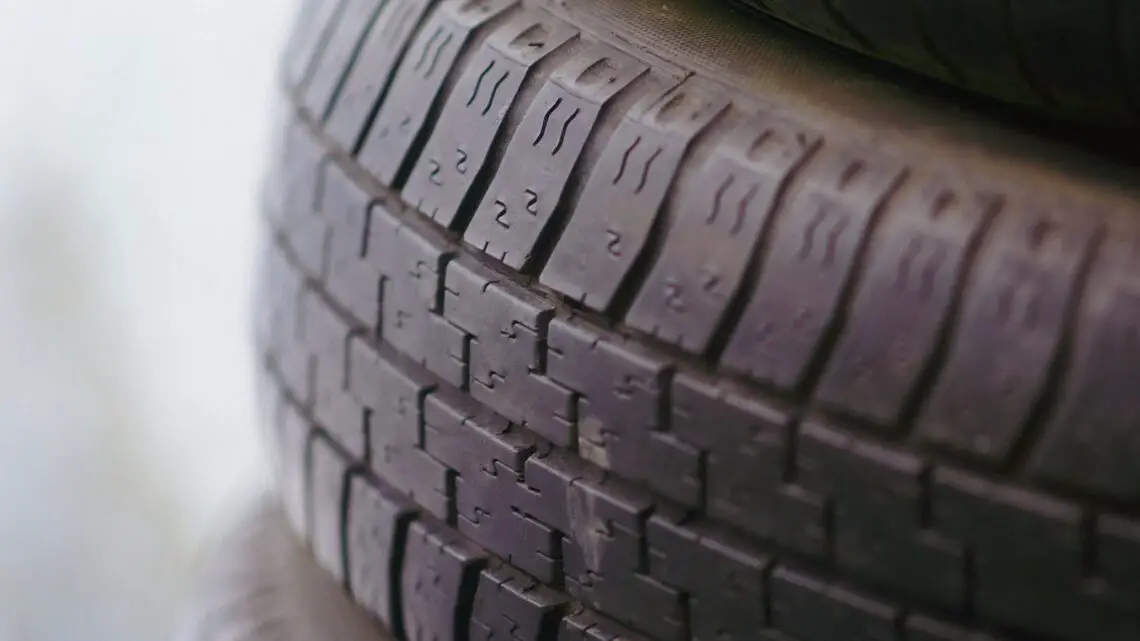
How Often Should You Rotate Your Tires? A Complete Guide to Tire Rotation
July 11, 2026Your tires play a vital role in your vehicle’s safety, fuel efficiency, and overall performance. While many drivers remember to check tire pressure, tire rotation is often overlooked. However, rotating your tires at the proper intervals can significantly extend their lifespan, improve handling, and ensure even tread wear.
Every tire experiences wear differently depending on its position on the vehicle. Front tires often wear faster because they handle steering, braking, and much of the vehicle’s weight. Without regular rotation, uneven wear can reduce traction and force you to replace your tires sooner than expected.
This guide explains why tire rotation is important, how often it should be performed, and the signs that indicate your tires need attention.
What Is Tire Rotation?
Tire rotation is the process of moving each tire to a different position on your vehicle according to a specific pattern. This helps distribute tread wear more evenly across all four tires.
Because every wheel experiences different forces while driving, changing their positions allows each tire to wear at a similar rate. Regular tire rotation not only extends tire life but also helps maintain balanced handling and braking performance.
Why Tire Rotation Is Important
Uneven tire wear can affect much more than the appearance of your tires. As tread wears unevenly, traction decreases, road noise may increase, and the vehicle can become less stable, especially during emergency braking or wet weather.
Regular tire rotation provides several important benefits:
- Promotes even tread wear
- Extends tire lifespan
- Improves vehicle handling
- Enhances braking performance
- Increases traction in wet conditions
- Reduces road noise and vibration
- Helps maximize fuel efficiency
Considering the cost of a new set of tires, regular rotation is one of the simplest ways to protect your investment.
How Often Should You Rotate Your Tires?
Most vehicle manufacturers recommend rotating your tires every 5,000 to 7,500 miles. This interval often matches routine oil changes, making it convenient to perform both services during the same visit.
However, your ideal rotation schedule depends on several factors, including:
- Your vehicle manufacturer’s recommendations
- Tire type
- Driving habits
- Road conditions
- Whether your vehicle has front-wheel drive, rear-wheel drive, all-wheel drive, or four-wheel drive
If you frequently drive on rough roads, carry heavy loads, or make frequent short trips in city traffic, your tires may benefit from more frequent inspections and rotations.
Signs Your Tires Need Rotation
Although following a maintenance schedule is the best approach, your tires may also show visible signs that rotation is overdue.
Watch for these common indicators:
- Uneven tread wear
- Increased road noise
- Steering wheel vibration
- Vehicle pulling slightly to one side
- Reduced traction during rain
- Different tread depths between front and rear tires
Inspecting your tires regularly allows you to identify uneven wear before it shortens their lifespan.
Common Tire Rotation Patterns
The correct tire rotation pattern depends on your vehicle’s drivetrain and the type of tires installed.
Forward Cross
This is the most common pattern for front-wheel-drive vehicles. The front tires move straight to the rear, while the rear tires move diagonally to the front.
Rearward Cross
Rear-wheel-drive and many four-wheel-drive vehicles often use this pattern. The rear tires move directly to the front, while the front tires move diagonally to the rear.
X-Pattern
With this method, every tire moves diagonally across the vehicle. Some vehicles and tire manufacturers recommend this pattern to encourage even tread wear.
Side-to-Side Rotation
Vehicles equipped with directional tires can usually only swap tires from front to rear on the same side because directional tires are designed to rotate in only one direction.
Always consult your owner’s manual or tire manufacturer for the recommended rotation pattern.
Can You Rotate Tires Yourself?
Many experienced DIY enthusiasts rotate their own tires using a floor jack, jack stands, and a torque wrench. However, it’s important to follow proper lifting procedures and tighten lug nuts to the manufacturer’s specified torque.
If you’re unfamiliar with lifting a vehicle safely, having your tires rotated by a qualified technician is the safer option.
Tire Rotation vs. Wheel Alignment
Many drivers confuse tire rotation with wheel alignment, but they are different services.
Tire rotation simply changes the position of the tires to promote even wear.
Wheel alignment adjusts the angles of the wheels so they match the manufacturer’s specifications. Misaligned wheels can cause rapid tire wear even if the tires are rotated regularly.
If your steering wheel is off-center or your vehicle pulls to one side, you may need a wheel alignment rather than a tire rotation.
Tips to Extend Tire Life
Tire rotation works best when combined with other regular maintenance practices. Keeping your tires in good condition improves safety and helps you get the most value from them.
Follow these simple tips:
- Check tire pressure at least once a month.
- Inspect tread depth regularly.
- Avoid aggressive acceleration and hard braking.
- Rotate tires on schedule.
- Have wheel alignment checked if uneven wear appears.
- Balance tires when recommended.
- Remove heavy cargo when it’s not needed.
Together, these habits help maximize tire life and maintain consistent vehicle performance.
Frequently Asked Questions
Can I wait until my tires show uneven wear before rotating them?
No. Rotating your tires before uneven wear develops is the best way to maximize their lifespan.
Do all-wheel-drive vehicles need more frequent tire rotations?
Many all-wheel-drive vehicles benefit from regular tire rotations because uneven tire diameters can place additional stress on drivetrain components.
Does tire rotation improve fuel economy?
It can. Evenly worn tires roll more efficiently and help reduce unnecessary rolling resistance.
Is tire balancing included with tire rotation?
Not always. Tire balancing and tire rotation are separate services, although many repair shops perform both together when needed.
Conclusion
Regular tire rotation is one of the easiest and most cost-effective maintenance services you can perform. By rotating your tires every 5,000 to 7,500 miles, you encourage even tread wear, improve handling, enhance braking performance, and extend the life of your tires.
Combined with proper tire pressure, routine inspections, and wheel alignments when necessary, tire rotation helps your vehicle perform safely in all driving conditions. Following your manufacturer’s recommended maintenance schedule ensures you get the best performance and value from every set of tires.