How to Check Engine Oil: A Step-by-Step Guide for Every Driver (2026)
July 12, 2026Engine oil is the lifeblood of every gasoline and diesel engine. It lubricates moving parts, reduces friction, removes contaminants, helps regulate temperature, and protects expensive engine components from premature wear. Without enough clean oil, your engine cannot operate efficiently and may suffer severe damage that could cost thousands of dollars to repair.
Learning how to check engine oil is one of the simplest yet most valuable maintenance skills every driver should know. The entire process takes less than five minutes, requires no specialized tools, and can help you identify problems before they become costly repairs. Whether you drive every day or only occasionally, regular oil inspections will improve your vehicle’s reliability and extend the life of its engine.
Why Is It Important to Know How to Check Engine Oil?
Before learning how to check engine oil, it’s important to understand why this maintenance task is so essential. Every time your engine runs, hundreds of internal components move at extremely high speeds while generating intense heat. Without proper lubrication, these metal parts would quickly wear against one another, causing friction, overheating, and eventually catastrophic engine failure.
Engine oil creates a protective barrier between moving components while also carrying heat away from critical engine parts. Modern engine oil contains additives that help prevent corrosion, reduce sludge formation, clean internal surfaces, and protect seals throughout the engine. As oil ages, however, these protective properties gradually decline.
Regularly checking your engine oil allows you to catch low oil levels, contamination, or leaks before they lead to expensive repairs. It is one of the easiest ways to keep your engine healthy and maintain peak performance.
Benefits of maintaining proper engine oil include:
- Better engine lubrication
- Reduced engine wear
- Improved fuel economy
- Lower operating temperatures
- Cleaner internal engine components
- Longer engine lifespan
- More reliable performance
When Should You Check Engine Oil?
Knowing how to check engine oil is only part of proper vehicle maintenance. You also need to know when to perform the inspection. Although many modern vehicles include electronic oil monitoring systems, manually checking the oil remains the most reliable way to monitor your engine’s condition.
Most manufacturers recommend checking your engine oil at least once a month. However, drivers who frequently tow trailers, drive in stop-and-go traffic, operate in extreme temperatures, or take long highway trips should inspect the oil more often. Regular inspections allow you to detect small leaks or gradual oil consumption before warning lights appear.
You should check your engine oil:
- Once every month
- Before long road trips
- Before towing heavy loads
- After noticing an oil warning light
- If you suspect an oil leak
- After extended periods of vehicle storage
Making this inspection part of your monthly maintenance routine takes only a few minutes and can prevent costly engine damage.
How to Check Engine Oil
Learning how to check engine oil correctly ensures you receive an accurate reading every time. While the process is simple, following the proper steps helps you avoid false readings caused by oil still circulating through the engine.
Always perform the inspection on level ground after allowing the engine to sit for several minutes. This gives the oil enough time to drain back into the oil pan, making the measurement much more accurate.
Follow these steps:
- Park the vehicle on a flat, level surface.
- Turn off the engine.
- Wait five to ten minutes.
- Open the hood.
- Locate the engine oil dipstick.
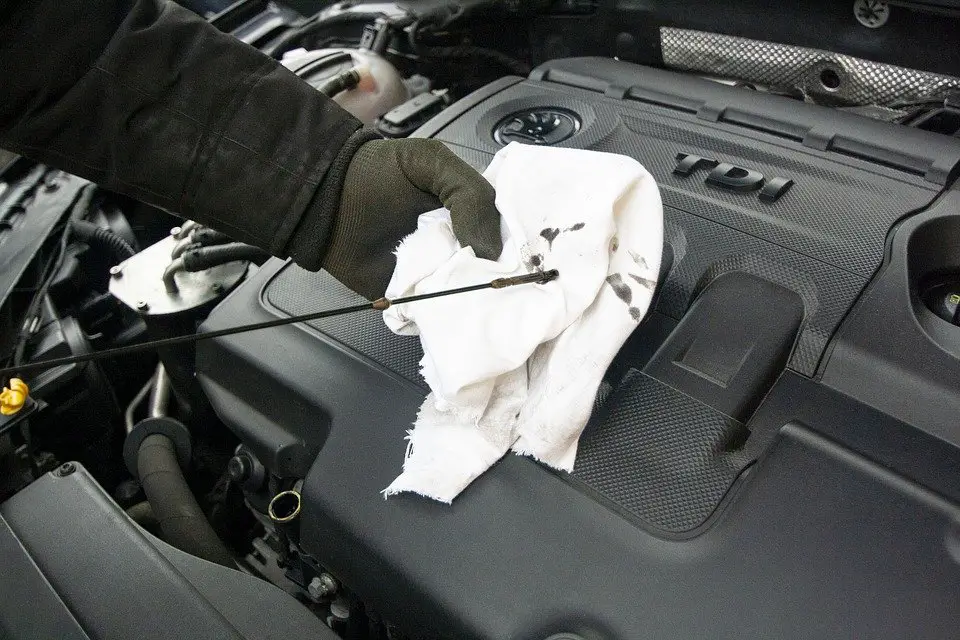
- Remove the dipstick completely.
- Wipe it clean with a lint-free cloth.
- Insert the dipstick fully.
- Remove it again.
- Check both the oil level and oil condition.
The oil should fall between the MIN and MAX markings on the dipstick. If the oil level is below the minimum mark, add the correct type of engine oil recommended by your vehicle manufacturer.
How to Read the Engine Oil Dipstick
After learning how to check engine oil, the next step is understanding what the dipstick is telling you. The dipstick doesn’t simply measure oil quantity—it also provides valuable information about the condition of the oil and the overall health of your engine.
Fresh engine oil is usually amber or light brown and has a smooth texture. As the oil circulates through the engine, it naturally becomes darker because it collects combustion byproducts and microscopic contaminants. Dark oil alone does not necessarily mean an oil change is overdue, but excessively thick, gritty, or milky oil may indicate contamination or internal engine problems.
A healthy dipstick reading should show:
- Oil between the MIN and MAX marks
- Smooth consistency
- Amber to dark brown color
- No metal particles
- No foamy appearance
- No milky discoloration
If the oil appears milky, it could indicate coolant contamination, while metallic particles may suggest excessive internal engine wear.
Signs Your Engine Oil Needs Attention
Knowing how to check engine oil also means recognizing the warning signs that something may be wrong. Low oil levels or degraded oil often produce noticeable symptoms before serious engine damage occurs. Paying attention to these warning signs allows you to take corrective action early.
Common symptoms include:
- Oil warning light
- Knocking or ticking engine noise
- Burning oil smell
- Blue exhaust smoke
- Low oil level on the dipstick
- Increased engine temperature
- Reduced fuel economy
- Poor engine performance
If you notice any of these symptoms, inspect your engine oil immediately and schedule maintenance if necessary.
Choosing the Right Engine Oil
Understanding how to check engine oil is only part of proper engine care. Selecting the correct oil is equally important because different engines require specific oil viscosities and performance standards. Using the wrong oil can reduce lubrication, increase engine wear, and negatively affect fuel economy.
Most manufacturers recommend one or more oil viscosity grades based on climate and engine design.
Common engine oil grades include:
- 0W-20
- 5W-20
- 5W-30
- 0W-30
- 10W-30
Engine oils are generally available as:
- Conventional oil
- Synthetic blend oil
- Full synthetic oil
Always use an oil that meets the specifications listed in your owner’s manual or printed on the oil filler cap.
Common Mistakes When Checking Engine Oil
Although learning how to check engine oil is simple, many drivers unknowingly make mistakes that lead to inaccurate readings or poor engine protection. Avoiding these common errors ensures you get reliable results every time.
Common mistakes include:
- Checking the oil immediately after shutting off the engine
- Parking on uneven ground
- Forgetting to wipe the dipstick before measuring
- Overfilling the engine with oil
- Ignoring small oil leaks
- Using the wrong oil viscosity
- Waiting for the warning light before checking the oil
Developing good inspection habits helps prevent unnecessary engine wear and costly repairs.
Tips to Extend Engine Life
Regular oil inspections are one of the easiest ways to increase engine longevity. However, combining them with other maintenance practices provides even greater protection for your vehicle.
To help your engine last longer:
- Check engine oil every month.
- Change the oil and filter on schedule.
- Use manufacturer-approved oil.
- Repair oil leaks promptly.
- Replace clogged air filters.
- Monitor dashboard warning lights.
- Keep maintenance records.
Consistent preventive maintenance reduces wear, improves performance, and helps your engine operate efficiently throughout its lifespan.
Frequently Asked Questions
How often should I check engine oil?
Most experts recommend checking your engine oil at least once a month and before every long road trip.
Can I drive with low engine oil?
Driving with low engine oil can quickly damage internal engine components due to inadequate lubrication. Always restore the oil level before driving whenever possible.
Does dark engine oil mean it needs changing?
Not necessarily. Engine oil naturally darkens as it collects contaminants. Always follow your vehicle manufacturer’s recommended oil change interval.
Can I check engine oil while the engine is hot?
It’s best to wait five to ten minutes after shutting off the engine. This allows the oil to drain back into the oil pan, providing a more accurate reading.
Conclusion
Learning how to check engine oil is one of the most valuable maintenance skills every vehicle owner can develop. A simple monthly inspection helps ensure your engine always has enough clean oil to lubricate moving parts, control temperatures, and reduce internal wear. It also allows you to detect leaks, contamination, or excessive oil consumption before they become major mechanical problems.
By understanding how to check engine oil, using the correct oil for your vehicle, and following your manufacturer’s recommended service schedule, you can improve engine performance, extend the life of your vehicle, and avoid costly repairs. Spending just a few minutes each month checking your engine oil is a small investment that can provide years of reliable, trouble-free driving.