Brake Rotor Replacement: When to Change Brake Rotors and Warning Signs to Know
July 12, 2026Your vehicle’s brake rotors play a critical role in converting motion into stopping power. Every time you press the brake pedal, the brake pads clamp against the rotors, creating friction that slows the vehicle. Because rotors handle extreme heat and repeated stress, they can wear, warp, or become damaged over time.
Understanding brake rotor replacement helps drivers recognize problems early and avoid expensive brake repairs. While brake pads usually wear out faster, damaged rotors can reduce braking performance, create vibrations, and affect overall driving safety.
Regular brake inspections allow you to identify rotor problems before they become serious. Replacing worn or damaged rotors at the right time ensures your braking system continues to operate smoothly and reliably.
What Are Brake Rotors and How Do They Work?
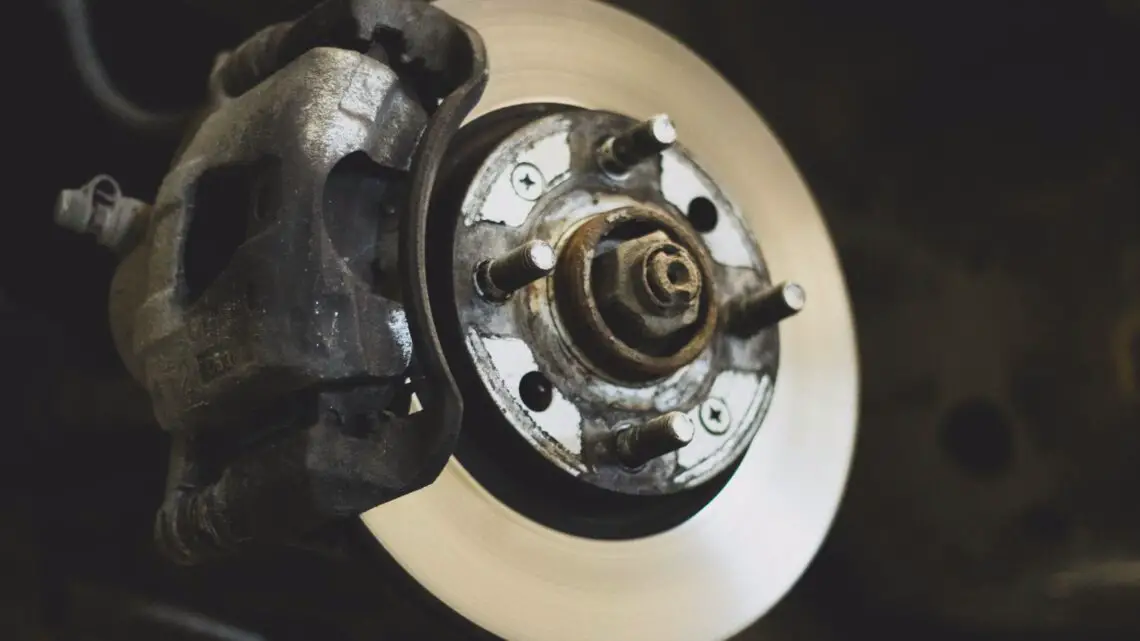
Before discussing brake rotor replacement, it is important to understand the purpose of brake rotors and why they are essential for safe braking. Brake rotors are metal discs connected to the vehicle’s wheel hub. When you press the brake pedal, the brake caliper squeezes the brake pads against the rotor surface.
The friction between the brake pads and rotors creates resistance, slowing the rotation of the wheels and bringing the vehicle to a stop. During this process, rotors absorb and release a significant amount of heat.
Brake rotors are designed to:
- Provide a smooth braking surface
- Handle high temperatures
- Dissipate heat efficiently
- Work with brake pads to create stopping force
- Maintain consistent braking performance
Because rotors experience repeated heating and cooling cycles, they can eventually develop wear that affects braking performance.
Why Is Brake Rotor Replacement Important?
Regular brake rotor replacement is important because damaged rotors can reduce braking efficiency and create additional stress on other brake components. Even if your brake pads are new, worn or warped rotors can prevent the braking system from working properly.
A damaged rotor surface can reduce contact between the brake pads and rotors, leading to inconsistent braking performance. Severe rotor problems can also increase stopping distances and make the vehicle feel unstable during braking.
Benefits of replacing damaged brake rotors include:
- Smoother braking performance
- Reduced brake vibrations
- Improved heat management
- Better brake pad contact
- Increased braking reliability
- Reduced risk of additional brake damage
Replacing rotors when necessary helps maintain the complete braking system and prevents more expensive repairs.
When Should You Replace Brake Rotors?
Knowing when to schedule brake rotor replacement depends on several factors, including driving habits, vehicle weight, brake pad condition, and the environment where you drive.
Unlike brake pads, which have predictable wear patterns, brake rotors do not always have a fixed replacement interval. Many rotors can last between 50,000 and 70,000 miles, but some may require replacement earlier due to driving conditions or damage.
Brake rotors may need replacement when they have:
- Excessive thickness loss
- Deep grooves
- Heat damage
- Cracks
- Severe rust
- Warping
Regular brake inspections are the best way to determine whether your rotors are still within safe specifications.
Signs You Need Brake Rotor Replacement
Your vehicle often provides noticeable warning signs when brake rotors begin to fail. Recognizing these symptoms early can help prevent further damage and maintain safe braking performance.
Common signs that you may need brake rotor replacement include:
- Steering wheel vibration while braking
- Brake pedal pulsation
- Grinding noises
- Reduced braking performance
- Uneven brake pad wear
- Visible grooves or damage on the rotor
- Excessive rust buildup
- Vehicle pulling during braking
If you experience these symptoms, have your braking system inspected by a qualified technician.
What Causes Brake Rotors to Wear or Become Damaged?
Understanding the causes of rotor damage can help drivers prevent unnecessary repairs. While some wear is normal, several factors can accelerate rotor deterioration.
Common causes include:
Excessive Heat
Brake rotors experience extreme temperatures during repeated braking. Frequent hard braking, towing, or driving in mountainous areas can cause excessive heat buildup.
Worn Brake Pads
Driving with worn brake pads can damage the rotor surface. When the friction material disappears, the metal backing plate can contact the rotor and create severe damage.
Poor Quality Brake Components
Low-quality brake pads or rotors may wear faster and provide less resistance to heat compared with higher-quality components.
Corrosion and Rust
Vehicles exposed to moisture, road salt, or long periods of storage can develop rotor corrosion that affects braking performance.
How to Inspect Brake Rotors
Learning about brake rotor replacement also includes understanding how rotors are inspected. A visual inspection can reveal many signs of damage, although measuring rotor thickness requires specialized tools.
During a brake inspection, technicians check for:
- Rotor thickness
- Surface grooves
- Heat spots
- Cracks
- Uneven wear
- Rust damage
- Rotor runout
A rotor that is below the manufacturer’s minimum thickness specification should be replaced because it can no longer safely handle braking heat.
Can You Replace Brake Pads Without Replacing Rotors?
Many drivers wonder whether brake rotor replacement is necessary every time brake pads are replaced. The answer depends on the condition of the rotors.
Brake pads can often be replaced without new rotors if:
- Rotor thickness is within specifications
- The surface is smooth
- There is no warping
- There are no cracks or severe damage
However, rotors should be replaced if they are damaged because new brake pads cannot correct problems caused by a poor rotor surface.
A professional inspection helps determine whether you need new pads, new rotors, or both.
Brake Rotor Replacement vs Brake Rotor Resurfacing
When rotors show minor surface imperfections, some drivers consider resurfacing instead of replacement. Resurfacing involves removing a thin layer of metal from the rotor surface to create a smoother braking surface.
Rotor resurfacing may be possible when:
- The rotor has enough thickness remaining
- Damage is minor
- There are no cracks or severe heat issues
However, many modern rotors are thinner than older designs, making replacement a more common solution.
Your technician should measure the rotor and compare it with manufacturer specifications before deciding.
Common Mistakes to Avoid
Proper brake maintenance requires more than simply replacing worn components. Several mistakes can reduce brake performance and shorten component life.
Avoid these mistakes:
- Ignoring brake vibrations
- Replacing brake pads but ignoring damaged rotors
- Installing poor-quality brake components
- Driving with severely worn brakes
- Skipping brake inspections
- Ignoring rust and corrosion
Taking care of brake issues early usually results in lower repair costs and safer driving.
Tips to Extend Brake Rotor Life
Although brake rotors eventually wear out, proper driving habits and maintenance can help extend their lifespan.
To protect your brake rotors:
- Avoid unnecessary hard braking
- Maintain a safe following distance
- Replace brake pads before they damage rotors
- Keep brake components clean
- Inspect brakes regularly
- Avoid overloading your vehicle
Smooth driving reduces excessive heat buildup and helps your entire braking system last longer.
Frequently Asked Questions
How often should brake rotors be replaced?
Brake rotors typically last between 50,000 and 70,000 miles, but lifespan depends on driving habits, vehicle type, and maintenance.
Can I drive with bad brake rotors?
Driving with damaged rotors can reduce braking performance and create safety risks. Severe rotor problems should be repaired as soon as possible.
How much does brake rotor replacement cost?
The cost depends on the vehicle, rotor quality, and labor rates. Replacing rotors is usually more expensive than replacing brake pads but less expensive than repairing major brake damage.
Should brake rotors be replaced in pairs?
Yes. Brake rotors are usually replaced on the same axle to maintain balanced braking performance between the left and right wheels.
Conclusion
Brake rotor replacement is an important part of maintaining a safe and reliable braking system. While brake pads receive most of the attention, rotors play an equally important role by providing the surface needed for effective friction and heat control.
By recognizing warning signs such as vibrations, reduced braking performance, and visible rotor damage, drivers can address problems before they become serious. Regular brake inspections, quality components, and proper maintenance help extend rotor life and ensure your vehicle continues to stop safely in all driving conditions.