Brake Pad Replacement: When to Change Brake Pads and Warning Signs to Know
July 12, 2026Your vehicle’s braking system is one of its most important safety systems. Every time you slow down or stop, your brake pads convert the vehicle’s movement into heat through friction, allowing you to maintain control in traffic and emergency situations.
Because brake pads are designed to wear down over time, regular inspections and timely brake pad replacement are essential for safe driving. Ignoring worn brake pads can reduce stopping performance, damage expensive brake components, and increase repair costs.
Understanding how brake pads work, when they need replacement, and what warning signs to watch for can help you maintain reliable braking performance and protect yourself on the road.
What Are Brake Pads and How Do They Work?
Before discussing brake pad replacement, it is important to understand the role brake pads play in your vehicle’s braking system. Brake pads are friction components that press against the brake rotors when you apply the brake pedal, creating the resistance needed to slow and stop the vehicle.
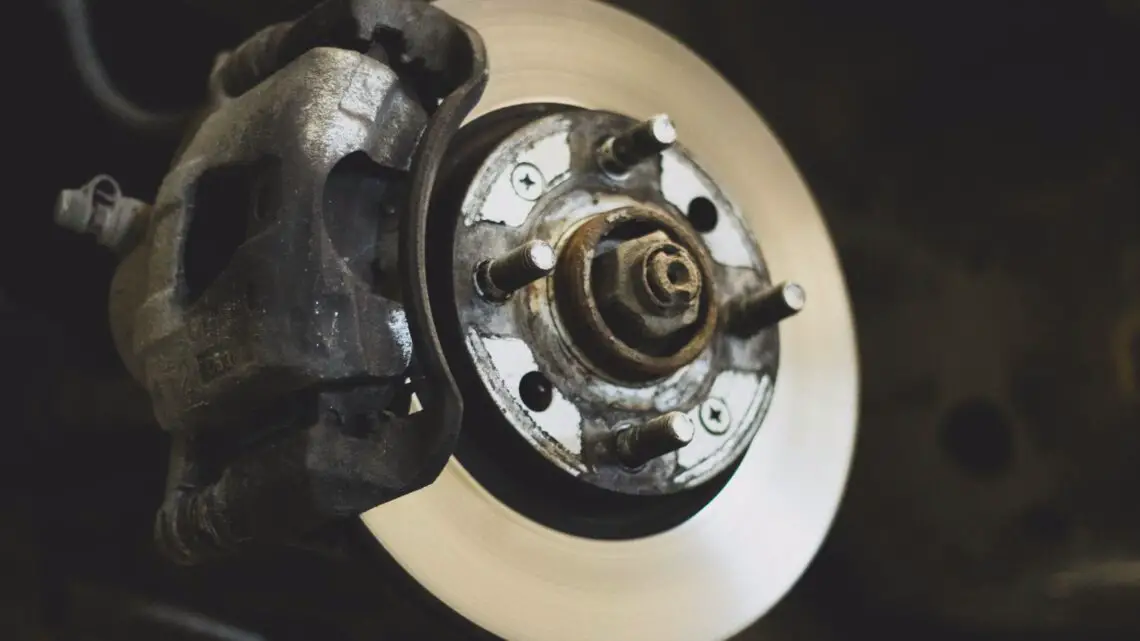
When you press the brake pedal, hydraulic pressure pushes the brake caliper against the rotor. The brake pads inside the caliper create friction against the spinning rotor, converting kinetic energy into heat.
Brake pads are designed to:
- Provide consistent stopping power
- Handle high temperatures
- Protect brake rotors
- Maintain predictable braking performance
- Operate safely in different weather conditions
Because this friction gradually wears away the brake pad material, replacement is a normal part of vehicle maintenance.
Why Is Brake Pad Replacement Important?
Regular brake pad replacement is essential because worn brake pads directly affect your vehicle’s ability to stop safely. As the friction material becomes thinner, braking performance decreases and other brake components may experience additional stress.
Driving with severely worn brake pads can cause metal components to contact the brake rotor, leading to expensive damage that goes beyond a simple pad replacement.
Benefits of replacing brake pads at the correct time include:
- Improved stopping performance
- Better braking control
- Reduced risk of rotor damage
- Quieter operation
- More consistent pedal feel
- Improved driving safety
- Lower repair costs
Replacing brake pads before they become completely worn is one of the simplest ways to maintain a reliable braking system.
When Should You Replace Brake Pads?
Knowing when to schedule brake pad replacement depends on several factors, including your driving style, vehicle type, brake pad material, and driving environment.
Most brake pads last between 30,000 and 70,000 miles, but the lifespan can vary significantly. Drivers who frequently travel in city traffic or drive in mountainous areas may wear brake pads faster because they use the brakes more often.
Factors that affect brake pad lifespan include:
- Driving habits
- Vehicle weight
- Stop-and-go traffic
- Towing loads
- Brake pad material
- Road conditions
Instead of relying only on mileage, regular inspections are the best way to determine when replacement is necessary.
Signs You Need Brake Pad Replacement
Your vehicle usually provides warning signs before brake pads become dangerously worn. Recognizing these symptoms early allows you to schedule repairs before additional brake components are damaged.
Common signs that you may need brake pad replacement include:
- Squealing or squeaking noises
- Grinding sounds when braking
- Reduced stopping power
- Brake pedal vibration
- Longer stopping distances
- Brake warning light
- Thin brake pad material
- Vehicle pulling to one side
If you notice any of these symptoms, have your braking system inspected as soon as possible.
How to Check Brake Pad Thickness
Understanding brake pad replacement also means knowing how technicians determine when pads are worn. Brake pad thickness is one of the most important measurements used during brake inspections.
Many brake pads include a wear indicator that creates a high-pitched squealing sound when the material becomes thin. However, visual inspection provides a more accurate assessment.
During an inspection, technicians check:
- Remaining friction material thickness
- Brake rotor condition
- Caliper operation
- Brake hardware
- Signs of uneven wear
Most experts recommend replacing brake pads when the friction material reaches around 3 to 4 millimeters, although specifications vary by vehicle.
What Happens If You Ignore Worn Brake Pads?
Delaying brake pad replacement can turn a relatively simple maintenance service into a much more expensive repair. Brake pads are designed to protect other braking components, especially the rotors.
When brake pads become completely worn, the metal backing plate can contact the rotor, causing:
- Deep rotor damage
- Reduced braking performance
- Increased stopping distances
- Excessive heat buildup
- Brake system failure risk
Replacing worn pads early helps protect the entire braking system and reduces repair costs.
Different Types of Brake Pads
Choosing the right brake pads is an important part of proper brake pad replacement. Different materials offer different levels of performance, durability, and noise characteristics.
The most common types include:
Organic Brake Pads
Organic pads are made from materials such as rubber, resin, and fibers. They provide quiet operation and smooth braking but generally wear faster.
Semi-Metallic Brake Pads
Semi-metallic pads contain metal fibers that improve durability and heat resistance. They are common on many vehicles because they offer a good balance of performance and cost.
Ceramic Brake Pads
Ceramic pads use ceramic materials designed for quiet operation, low dust production, and consistent performance. They are often used on newer vehicles and premium applications.
Always choose brake pads that match your vehicle’s specifications and driving needs.
Brake Pad Replacement vs Brake Rotor Replacement
Many drivers confuse brake pad replacement with rotor replacement, but they are different services. Brake pads are wear components designed to be replaced regularly, while rotors typically last much longer.
Brake pads may need replacement without replacing rotors if:
- Rotor surfaces are smooth
- Thickness remains within specifications
- There is no warping or severe damage
Rotors may require replacement if they have:
- Deep grooves
- Excessive rust damage
- Cracks
- Thickness below manufacturer limits
A proper brake inspection determines which components need service.
Common Mistakes to Avoid
Brake maintenance mistakes can reduce safety and increase repair costs. Avoiding these common errors helps ensure your braking system performs properly.
Avoid:
- Ignoring brake noises
- Waiting until brakes completely fail
- Replacing only one brake pad
- Installing low-quality components
- Ignoring brake fluid condition
- Skipping regular inspections
Brake systems work as a complete unit, so all components must operate correctly.
Tips to Extend Brake Pad Life
While brake pads are designed to wear out, your driving habits can significantly affect how long they last.
To extend brake pad life:
- Avoid unnecessary hard braking
- Maintain a safe following distance
- Reduce excessive vehicle weight
- Use engine braking when appropriate
- Avoid riding the brake pedal
- Inspect brakes regularly
Smooth driving reduces heat buildup and minimizes unnecessary wear.
Frequently Asked Questions
How often should brake pads be replaced?
Most brake pads last between 30,000 and 70,000 miles, but replacement depends on driving habits, vehicle type, and brake pad material.
Can I drive with worn brake pads?
Driving with worn brake pads is unsafe because braking performance can decrease and other components may become damaged.
How much does brake pad replacement cost?
The cost varies depending on the vehicle, brake pad type, and labor rates. Replacing pads is usually much less expensive than repairing damaged rotors or other brake components.
Should brake pads be replaced on all four wheels?
Not always. Many vehicles wear front brake pads faster because the front brakes handle more braking force. A technician should inspect each axle separately.
Conclusion
Brake pad replacement is one of the most important maintenance services for keeping your vehicle safe and reliable. Brake pads naturally wear down through normal use, but replacing them at the right time helps maintain strong stopping performance and prevents damage to more expensive brake components.
By paying attention to warning signs, scheduling regular inspections, and choosing quality replacement parts, you can protect your braking system and improve your confidence behind the wheel. A simple brake pad replacement today can prevent major repairs and help keep your vehicle ready for every driving situation.