DIY Car Maintenance: 12 Easy Car Maintenance Tasks Anyone Can Do at Home
July 14, 2026Maintaining your vehicle doesn’t always require expensive trips to a repair shop. While major repairs should be handled by qualified technicians, many routine maintenance tasks are simple enough for beginners to perform at home with basic tools and a little knowledge. Learning DIY car maintenance can help you save money, catch small problems before they become expensive repairs, and better understand how your vehicle works.
Modern vehicles are designed with several owner-serviceable components that require regular attention. Checking fluids, replacing air filters, inspecting tires, and changing windshield wipers are all examples of maintenance tasks that most drivers can complete in less than an hour. Performing these simple jobs regularly can improve reliability, extend vehicle life, and even increase fuel efficiency.
Whether you’ve never opened your hood before or you’re looking to become more self-sufficient, this guide covers the most useful DIY car maintenance tasks anyone can safely perform at home.
Why DIY Car Maintenance Is Worth Learning
Understanding DIY car maintenance offers benefits beyond simply saving money. Performing routine inspections allows you to identify worn components before they fail, reducing the likelihood of unexpected breakdowns and expensive emergency repairs.
Even if you continue using a professional mechanic for major services, learning basic maintenance helps you understand your vehicle’s condition and recognize potential problems earlier.
Benefits of DIY car maintenance include:
- Lower maintenance costs
- Better understanding of your vehicle
- Early detection of mechanical issues
- Improved vehicle reliability
- Increased safety
- Longer vehicle lifespan
- Better fuel efficiency
- Greater confidence as a vehicle owner
Many routine inspections require only a few minutes but can prevent costly repairs in the future.
Gather the Right Basic Tools Before You Start
Successful DIY car maintenance begins with having the proper tools. Fortunately, many basic maintenance jobs require only inexpensive equipment that most homeowners can easily store in a garage or workshop.
A basic maintenance toolkit should include:
- Socket wrench set
- Screwdriver set
- Tire pressure gauge
- Flashlight
- Funnel
- Clean microfiber towels
- Work gloves
- Jack and jack stands (if appropriate)
- Digital tire inflator
- OBD-II scanner (optional)
Having these tools available makes routine maintenance easier and safer.
Check Your Engine Oil Regularly
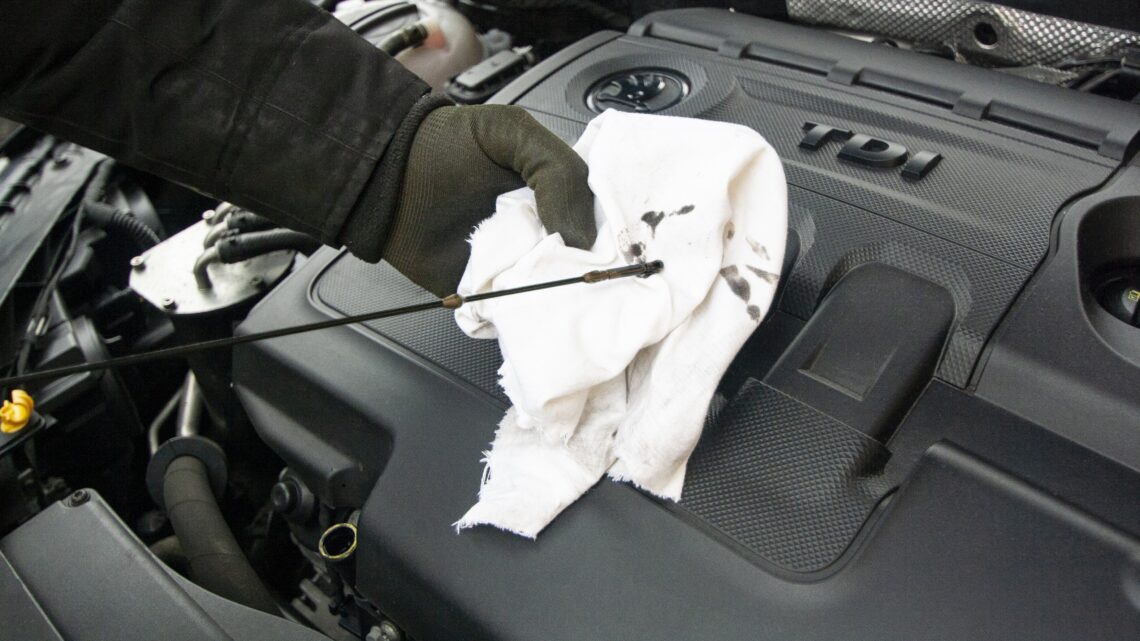
Checking engine oil is one of the easiest and most important DIY car maintenance tasks. Engine oil lubricates moving parts, reduces friction, controls heat, and carries away contaminants. Running low on oil or driving with degraded oil can cause severe engine damage.
To check engine oil:
- Park on level ground.
- Turn off the engine and allow it to cool for several minutes.
- Remove the dipstick.
- Wipe it clean.
- Reinsert it fully.
- Remove it again and check the oil level.
Also inspect the oil’s color and consistency. Dark oil is normal after use, but thick, milky, or gritty oil should be investigated further.
Checking oil once a month only takes a few minutes and helps protect one of your vehicle’s most expensive components.
Inspect Tire Pressure and Tire Condition
Proper tire maintenance is another essential part of DIY car maintenance. Tires directly affect safety, fuel economy, ride quality, and braking performance. Incorrect tire pressure can reduce traction, increase tire wear, and lower fuel efficiency.
Use a quality tire pressure gauge to compare each tire’s pressure with the manufacturer’s recommended specifications found on the driver’s door sticker.
During inspection, look for:
- Uneven tread wear
- Cracks
- Nails or screws
- Sidewall damage
- Low tread depth
Maintaining proper tire pressure can also extend tire life by thousands of miles.
Replace the Engine Air Filter
One of the simplest DIY car maintenance jobs is replacing the engine air filter. A clean air filter allows the engine to receive sufficient airflow for efficient combustion, while a clogged filter can reduce performance and fuel economy.
Most air filters are located inside a plastic air box secured by clips or screws.
Replacement steps usually include:
- Open the air filter housing.
- Remove the old filter.
- Clean out any debris.
- Install the new filter.
- Close the housing securely.
Many drivers can complete this task in less than fifteen minutes.
Replace the Cabin Air Filter
The cabin air filter protects passengers by filtering dust, pollen, leaves, and other airborne particles before air enters the vehicle’s interior.
Replacing the cabin filter is one of the easiest DIY car maintenance tasks and often requires no tools at all.
A new cabin filter helps:
- Improve airflow
- Reduce dust inside the cabin
- Improve air conditioning performance
- Minimize unpleasant odors
- Improve air quality
Most manufacturers recommend replacement every 15,000 to 30,000 miles, depending on driving conditions.
Check and Top Off Vehicle Fluids
Modern vehicles rely on several fluids to operate correctly. Regular fluid inspections are an important part of DIY car maintenance because low fluid levels often indicate developing problems.
Inspect the following fluids regularly:
- Engine oil
- Coolant
- Brake fluid
- Windshield washer fluid
- Power steering fluid (if equipped)
- Transmission fluid (if serviceable)
Always use fluids that meet your vehicle manufacturer’s specifications, and never overfill reservoirs.
Replace Windshield Wiper Blades
Windshield wipers are frequently overlooked until visibility becomes poor. Fortunately, replacing them is one of the quickest DIY car maintenance tasks you can perform.
Signs you need new wiper blades include:
- Streaking
- Chattering
- Skipping
- Torn rubber
- Reduced visibility during rain
Most replacement blades simply clip into the existing wiper arm and require only a few minutes to install.
Inspect Your Vehicle Battery
Your battery powers the starter motor, electronics, lighting, and onboard computers. A simple battery inspection is valuable DIY car maintenance, especially before winter or summer when batteries are under additional stress.
Look for:
- Corrosion around terminals
- Loose connections
- Cracked battery case
- Swelling
- Low voltage warning messages
Cleaning light corrosion and tightening loose connections can improve battery reliability.
Inspect Exterior Lights
Burned-out lights reduce visibility and may result in traffic citations. Fortunately, checking your vehicle’s lighting system is an easy maintenance habit.
Regularly inspect:
- Headlights
- Brake lights
- Turn signals
- Reverse lights
- Fog lights
- License plate lights
- Daytime running lights
Replacing faulty bulbs promptly helps maintain safe driving conditions.
Keep Your Vehicle Clean Inside and Out
Cleaning may not seem like traditional DIY car maintenance, but it plays an important role in preserving your vehicle.
Regular washing removes:
- Road salt
- Dirt
- Bird droppings
- Tree sap
- Brake dust
Cleaning the interior also helps preserve upholstery, dashboard materials, and electronic controls.
Applying wax several times a year provides additional paint protection against UV rays and environmental contaminants.
Read Your Owner’s Manual
One of the most valuable yet overlooked maintenance resources is the owner’s manual. Every vehicle has unique maintenance intervals, fluid specifications, tire pressures, and service recommendations.
Your owner’s manual explains:
- Oil specifications
- Tire pressure
- Fluid capacities
- Maintenance schedule
- Dashboard warning lights
- Recommended replacement intervals
Following these recommendations helps ensure your vehicle receives proper care throughout its lifespan.
DIY Maintenance Jobs You Should Leave to Professionals
While DIY car maintenance covers many routine services, some repairs require specialized tools, technical knowledge, or safety equipment.
Leave these jobs to qualified technicians:
- Timing belt replacement
- Transmission rebuilding
- Airbag repairs
- Brake hydraulic repairs
- Wheel alignments
- Engine internal repairs
- Suspension rebuilding
- High-voltage electric vehicle repairs
Attempting complex repairs without proper training can create safety risks and increase repair costs.
Common DIY Car Maintenance Mistakes
Even simple maintenance tasks can lead to problems if performed incorrectly.
Avoid these common mistakes:
- Using the wrong engine oil
- Overfilling fluids
- Forgetting to tighten oil caps
- Ignoring torque specifications
- Using incorrect replacement parts
- Skipping maintenance intervals
- Failing to inspect for leaks after maintenance
- Working under an unsupported vehicle
Taking your time and following manufacturer instructions helps prevent unnecessary problems.
Tips for Building a DIY Maintenance Routine
Developing consistent habits makes DIY car maintenance much easier over time.
Follow these practices:
- Check engine oil monthly.
- Inspect tire pressure every two weeks.
- Replace air filters on schedule.
- Wash your vehicle regularly.
- Monitor dashboard warning lights.
- Keep a maintenance log.
- Store basic tools together.
- Replace worn wiper blades before rainy seasons.
- Read your owner’s manual.
- Inspect your vehicle before long trips.
Small routine inspections often prevent expensive repairs and improve long-term reliability.
Frequently Asked Questions
What DIY car maintenance can beginners do?
Beginners can safely check engine oil, inspect tire pressure, replace air filters, top off fluids, replace windshield wiper blades, inspect batteries, and check exterior lights.
Does DIY car maintenance save money?
Yes. Performing simple maintenance yourself can reduce labor costs while helping prevent larger mechanical repairs later.
What maintenance should not be done at home?
Major engine repairs, brake hydraulic work, transmission repairs, suspension rebuilding, and airbag repairs should generally be performed by qualified technicians.
How often should I inspect my car?
Basic inspections such as checking engine oil, tire pressure, lights, and fluid levels should be performed at least once a month or before long road trips.
Conclusion
Learning DIY car maintenance is one of the easiest ways to reduce ownership costs, improve vehicle reliability, and become a more informed driver. Simple tasks such as checking engine oil, maintaining proper tire pressure, replacing filters, inspecting fluids, and monitoring your battery require minimal tools but can have a significant impact on your vehicle’s performance and longevity.
While complex mechanical repairs should always be left to experienced professionals, routine maintenance is well within the ability of most vehicle owners. By following your manufacturer’s maintenance schedule and making basic inspections part of your monthly routine, you can catch small issues early, avoid unexpected breakdowns, and keep your car running safely and efficiently for many years.